
Drew County Active Warrants Explained
A warrant stays active until a court ends it. It is a judicial command not yet served, recalled, or quashed, and the court behind it determines what kind it is. In Drew County, felony arrest warrants generally trace to the Circuit Court in the Tenth Judicial Circuit. Traffic, misdemeanor, ordinance, failure-to-appear, and preliminary-felony matters tend to arise in the 28th State District Court, Monticello Department. Arkansas dockets carry their own vocabulary: arrest warrant, bench warrant, FTA warrant, revocation warrant, then served, recalled, or quashed. An old issued entry alone does not mean the warrant is still executable. A later court action may control, and a person can have more than one case open at once. The office that physically serves a warrant and the court with power to recall or quash it are often two different places, so read the whole chronology before assuming anything is active.
No Complete Drew Warrant List
Quick answer: Drew County publishes no complete public active-warrant name list. Confirm your own status with the court or Sheriff's Office directly.
Drew County has no single public list of its outstanding warrants. The Sheriff’s official website posts public-safety features, but no warrant search you can filter by type, court, bond, or status. Keep that in mind before you breathe easy. A name that shows up nowhere does not prove that no active warrant exists; it may only mean the office publishes no such roster.
So work around it. Search the docket, figure out which court likely issued the warrant, and call. For a district matter use (870) 367-4420; for a circuit matter use the Circuit Clerk at (870) 460-6250; to confirm an execution or booking, use the sheriff’s 24-hour number, (870) 367-6211. The official Monticello government page shows City Hall and links into the local police and court structure.
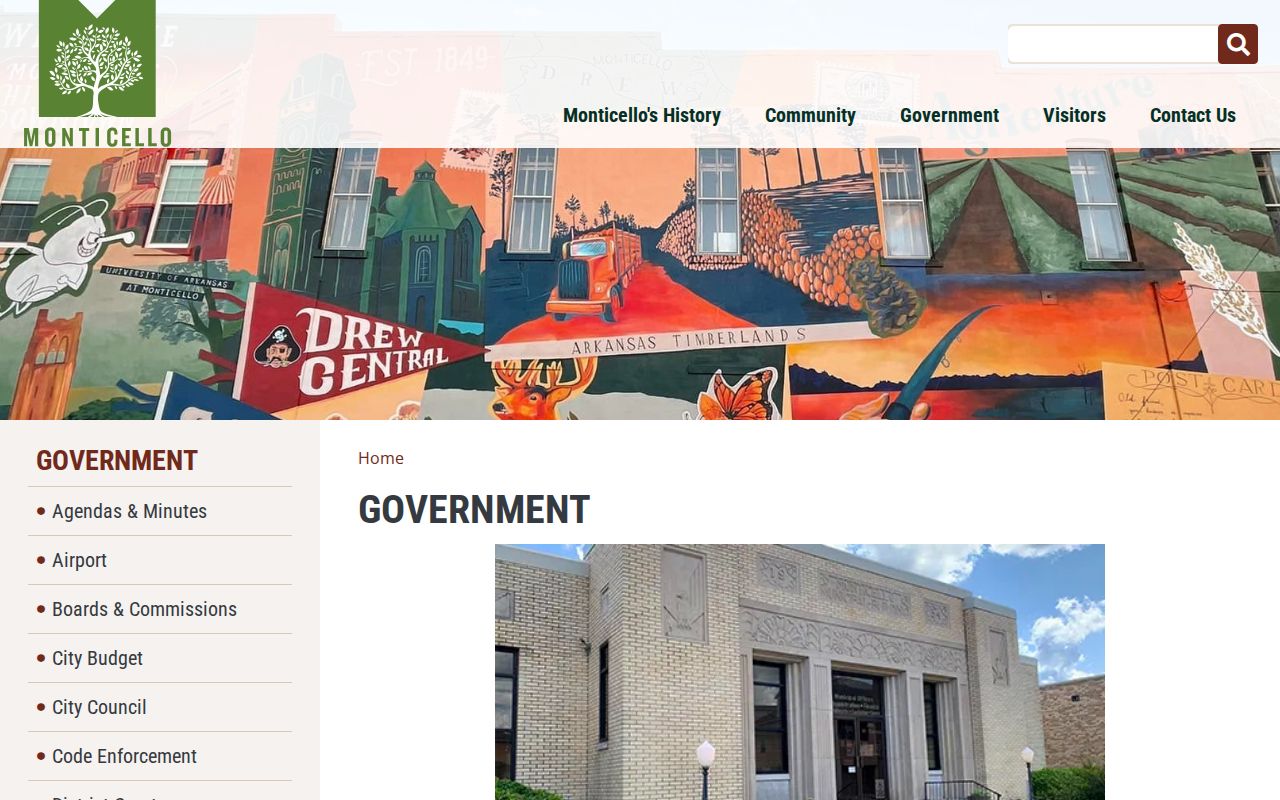
City Hall can route you, but only the issuing court can say whether a Drew County warrant is still active.
How Drew County Tracks Active Warrants
Warrants live inside court and law-enforcement records, not one public list. A court issues the command and logs events in the case or special warrant docket. The Drew County Sheriff's Office processes and serves warrants within its authority, while Monticello police, Arkansas State Police, or another authorized agency may execute one too. An agency can hold operational data that never reaches a public portal. No county publication promises an update schedule, and Search ARCourts itself warns that its public information may be incomplete and is not legal notice. Recent issuance, delayed data entry, a return still in transit, sealing, juvenile confidentiality, or a case filed elsewhere can each leave a gap. A real warrant check asks what the docket shows and what the responsible office confirms right now. The official Monticello Police Department page documents the city enforcement agency and how to reach it.
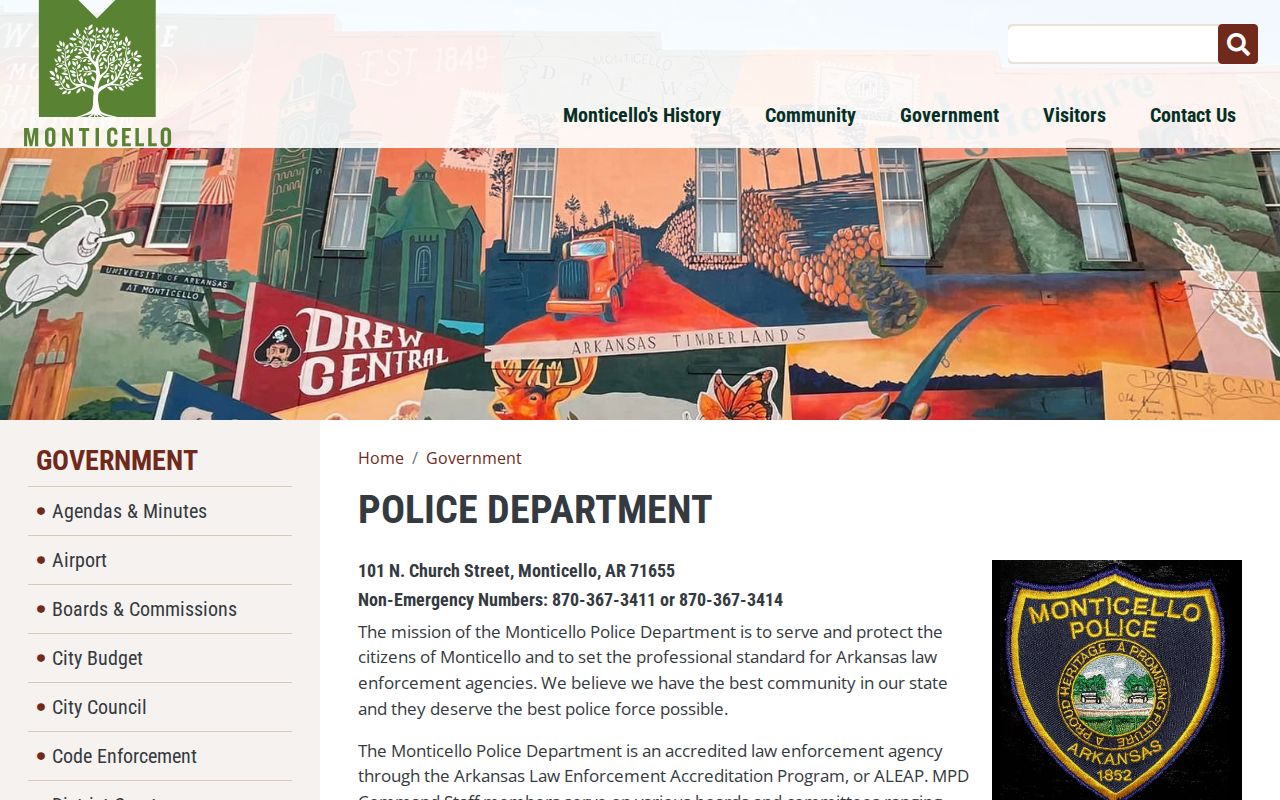
That page adds one agency channel; it still is not a countywide active-warrant list for Drew County.
Read the Docket Before “Active”
Use Search ARCourts by participant name, case number, or citation, filtering to Drew County when the court location allows. Open the case chronology. An `ARREST WARRANT ISSUED`, `BENCH WARRANT ISSUED`, or `REVOCATION WARRANT ISSUED` entry fixes the issuance date, not today's executability. Read forward for service, return, recall, quash, disposition, or a new order.
- Issued
- The judicial command was entered at that stage.
- Served
- The warrant was executed on the person, though the underlying case continues.
- Returned
- Material was filed with the clerk; AOC procedure distinguishes return from execution.
- Recalled
- The court withdrew the warrant, subject to confirmation of the correct case.
- Quashed
- A court nullified the warrant by order.
Inside an Active Warrant Record
Drew County offers no public warrant-card database, so the fields available come from the court case record. Not every case shows every field.
| Case or cause number | Identifies the docket; Drew publishes no universal warrant-number format. |
|---|---|
| Issuing court | Points to the office authorized to interpret and change the warrant. |
| Participant and offense | Helps confirm identity, role, allegation, statute, and classification. |
| Issue event and date | Shows the kind of warrant and when issuance was recorded. |
| Service / return event | May show execution or filing, which are not identical concepts. |
| Recall / quash event | May establish later court action affecting executability. |
| Bond or release entry | May state terms, forfeiture activity, or conditions; verify with the court. |
Custody Is Not a Warrant Register
The sheriff's Inmates Feed is an official custody channel, nothing more. Treat it as booking information, not an outstanding-warrant list. Someone may sit in the Drew County jail for a reason unrelated to the warrant you are chasing, and a person with an unserved warrant may walk free. A release, likewise, does not tell you whether another case or warrant exists. The feed helps you avoid two opposite mistakes: reading a custody entry as proof of every warrant detail, or reading an empty roster as proof of no warrant. Use it for its stated purpose. For warrant status, take the specific case to the District Court or the Circuit Clerk, and ask the sheriff whether it holds an executable record. The official Monticello district-court page posts the local court address and phone for lower-court confirmation.
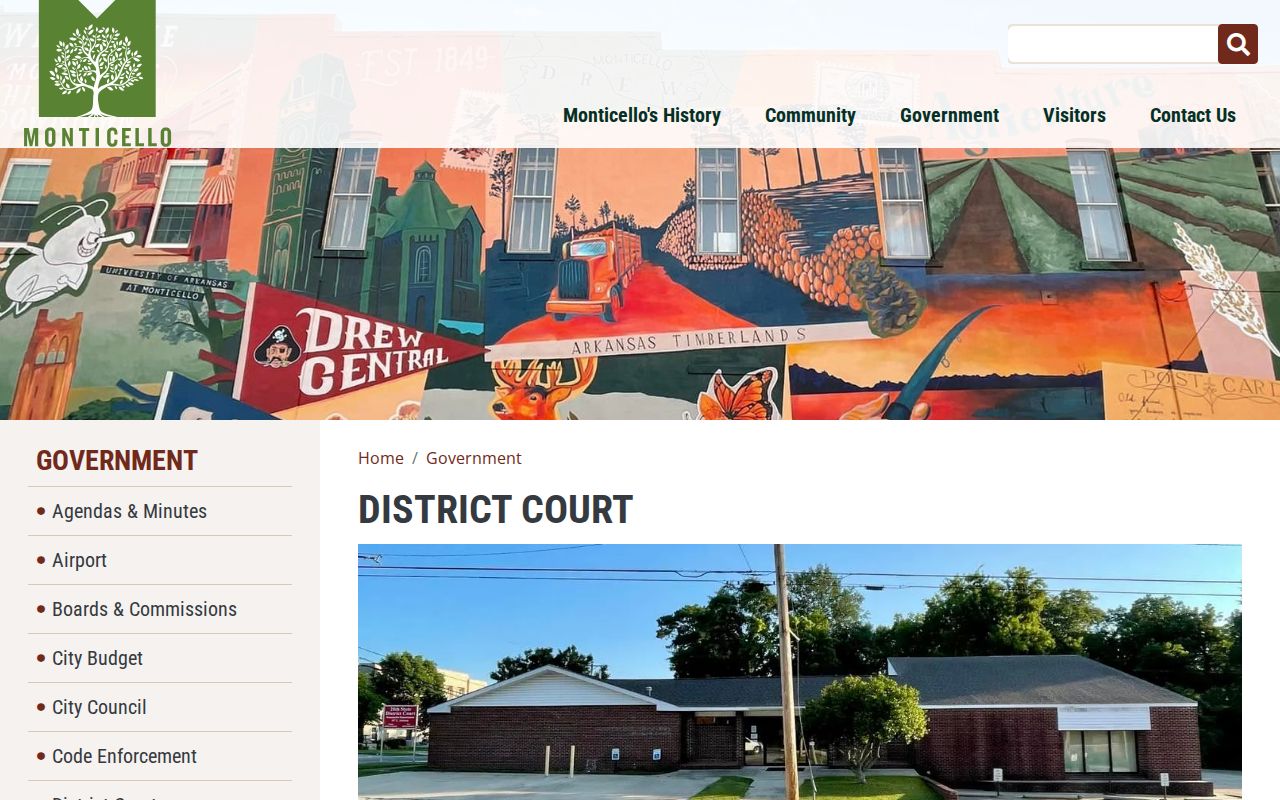
Custody news travels through other channels, but the court remains the status route for its own Drew County warrants.
Warrant Roundups and Most-Wanted Lists
Drew County's sheriff site and mobile app include a Most Wanted feature, but the official feed currently shows only a check-back placeholder. No roster, count, selection rule, or update schedule appears there. The county runs no roundup or amnesty program that any office advertises, so check the feature directly rather than relying on a republished list.
List limit: Most Wanted is a curated public-safety feature, not the full universe of active warrants. A blank or short feature cannot clear a person’s status.
Drew County also posts a most-wanted roundup, and the Drew County Most Wanted List page gives the program details and its official link. The tip form there takes investigation tips only. Never send surrender information through it; call 911 in an emergency, as the sheriff directs.
One Name, Different Court Lists
One name can show up in more than one place, and a Drew County warrant search has to account for that. A failure-to-appear warrant from a lower court may live in a traffic or misdemeanor docket, while a felony matter sits with Circuit Court. Old municipal and city courts folded into Arkansas district courts years ago. So hunting for a separate Drew municipal-warrant counter usually ends at a dead end. Start with the court named on the citation or order; if you do not know it, ask the 28th State District Court to route the inquiry. Statewide systems add another wrinkle. ACIC and NCIC hold wanted-person data, but only for authorized criminal-justice agencies, and neither offers a public self-search. A sheriff employee may still need the issuing court to sort out recall or bond instructions. These layers are why a name can appear in one system and be missing from another public page without anything being fake.
Confirm Status at 107 E. Jackson
For a Drew traffic, misdemeanor, ordinance, or preliminary-felony docket, call the 28th State District Court at 107 E. Jackson Street in Monticello. Ask for the issuing court, the exact warrant type, and its current status. Ask whether anything later recalled or quashed it, what bond or payment is required if public, and what the judge wants you to do. If a payment comes up, ask whether it alone clears an FTA warrant or whether an appearance, bond, reset, or order still follows. Felony and other circuit matters go through the Circuit Clerk at 210 S. Main Street. For execution and booking questions, use the sheriff. Drew County publishes no walk-in surrender protocol or local bond schedule, so call before you travel and think about a lawyer for felony, revocation, family, sealed, or unclear matters. The officially linked citation-payment vendor displays the identity and jurisdiction fields used for eligible Drew court payments.
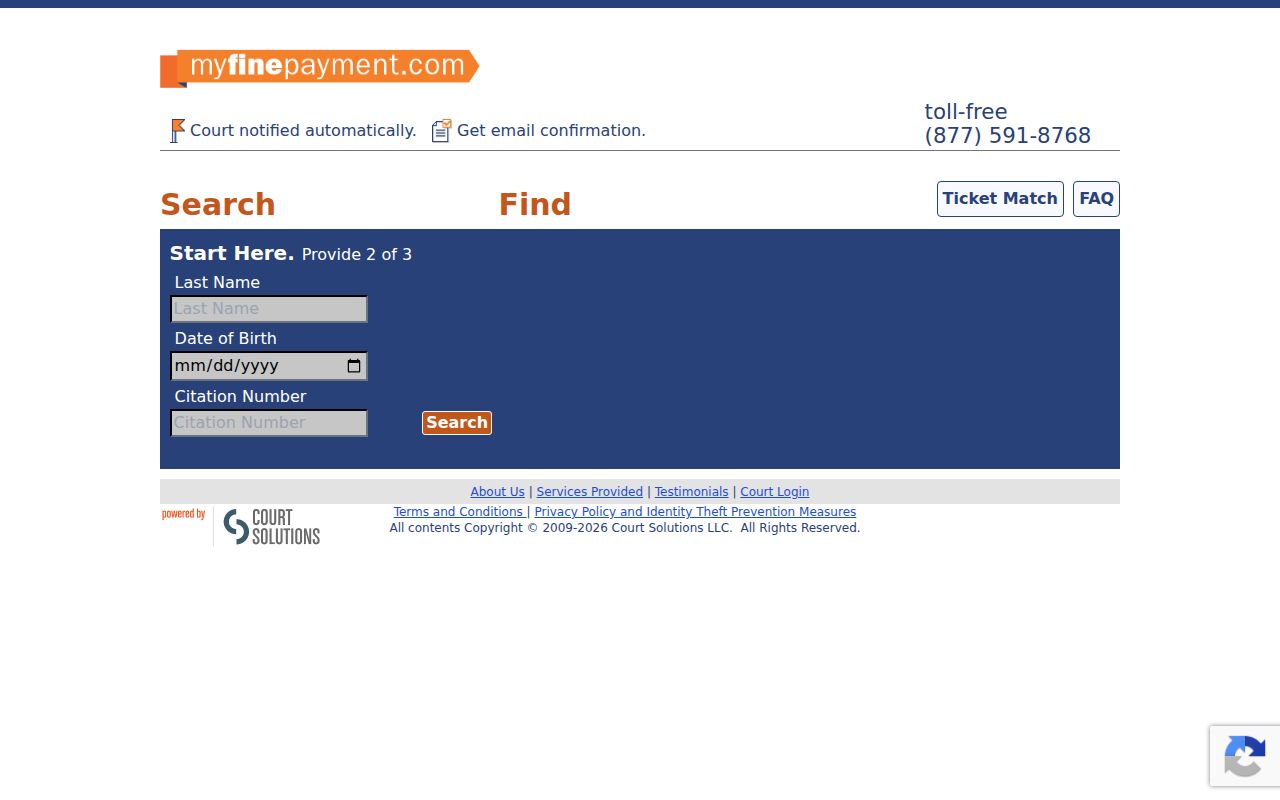
A payment match does not prove a recall. The Drew County clerk must still confirm the active-warrant status.
When Your Name Is on the Warrant List
Write down what you find and where. Note the case number, the issuing court, the warrant label, the event date, and any later docket entries. A saved image of a page, a third-party result, a payment receipt, or a name that has dropped off a list is not the final word in Drew County. Call the issuing court and ask what has to happen before you appear. The clerk may tell you to schedule an appearance, have a lawyer file, post bond, pay, reset a date, or move to recall or quash the warrant. Only that court can say which step fits your case.
Act carefully: Speak with an attorney before an unplanned appearance when arrest, felony, revocation, sealed, family, or bond questions are involved. Call the sheriff for booking logistics, not for legal advice.
Once the required step is done, get written or docketed confirmation. Then recheck for a recalled, quashed, served, or disposition entry, and ask when the sheriff or any restricted system will update. The full resolution sequence is also summarized on the Drew County warrant records home page.